
Chimney Problems and Carbon Monoxide: Warning Signs at Home
A carbon monoxide alarm or symptoms such as headache, dizziness, or nausea mean you should leave the home and call 911 from outside; do not use the fireplace again until it is checked. After emergency responders clear the home, arrange an inspection to check for chimney or venting problems.
Need help now? (443) 596-9310
Chimney Carbon Monoxide Warning Signs to Take Seriously
Carbon monoxide has no color or smell, so you cannot rule it out by checking the room’s air. A working carbon monoxide alarm is the clearest warning; symptoms can also be a reason to get everyone outside and seek emergency help.
- The carbon monoxide alarm sounds — Leave the home and call 911 from outside. Do not silence the alarm and stay indoors to investigate the fireplace or chimney.
- People develop headache, dizziness, nausea, or confusion — Treat these symptoms as urgent when they occur indoors, especially if more than one person feels unwell. Get everyone outside and call 911 rather than trying to find the source yourself.
- A fireplace or stove sends smoke into the room — Smoke entering the living space signals a venting or draft problem, though smoke is not a reliable way to detect carbon monoxide. Stop using the appliance and arrange an inspection before lighting another fire.
- The appliance or venting system has changed or been damaged — A new appliance, chimney work, or damage after a fire or severe weather can change how exhaust moves through the flue. Have the system inspected before use.
How a Chimney Problem Can Let Carbon Monoxide Indoors
A fireplace or fuel-burning appliance sends exhaust through a flue and out of the home. A blockage, damaged liner, or venting problem can interfere with that path, allowing combustion gases to spill into living areas instead of leaving through the chimney.
A chimney issue is one possible source, but an alarm does not identify which appliance or vent is responsible. That is why you should leave first and let emergency responders determine when it is safe to return; do not try to diagnose the source while the alarm is active.
Smoke, soot, or poor draft can point to a fireplace or chimney concern, but none of these signs can confirm or rule out carbon monoxide. A [chimney inspection service](/services/chimney-inspection/) can assess the chimney and venting system after the immediate danger has been addressed.
What to Do After a Carbon Monoxide Alarm Near a Fireplace
Use these steps when an alarm sounds or people feel ill. The priority is getting everyone away from possible exposure; inspecting the fireplace comes later.
- Get everyone outside — Leave the home immediately, including children and pets. Do not stop to open windows or check the fireplace; once outside, check that everyone is accounted for.
- Call 911 from outside — Tell the dispatcher that a carbon monoxide alarm sounded or that people have symptoms. Stay outside and follow the emergency responders’ instructions.
- Do not re-enter to switch off the appliance — Do not go back inside to close the damper, turn off a stove, or retrieve belongings. Wait until responders say the home is safe.
- Share what you know with responders — Tell them which fireplace, stove, or other fuel-burning appliance was operating and where the alarm sounded. Point out the alarm and appliance locations from a safe place.
- Keep the appliance out of use — Once responders clear the home, do not restart a fireplace or stove connected to a suspected venting problem. Keep the damper and flue undisturbed until a professional can assess them.
- Arrange a chimney inspection — Ask for the chimney and venting system to be checked before using the appliance again. Share what the responders found and whether there was visible smoke, damage, or a change to the system.
- Follow up on any alarm concerns — Check that household carbon monoxide alarms are in place and working according to their manufacturers’ instructions. A working alarm is an alert device, not a substitute for checking a chimney that may be damaged or blocked.
Need help now? (443) 596-9310
Which Chimney Service Fits a Carbon Monoxide Concern?
The right next step depends on what happened. An alarm or symptoms call for emergency response first; chimney service comes after the home is cleared.
Chimney inspection
Choose an inspection when the cause is unknown, the chimney may be blocked or damaged, or the system has changed. A Level 2 inspection includes a video scan when recommended for events such as an appliance change, sale, relining, fire, or weather event, according to the [CSIA inspection procedure](https://web.csia.org/external/wcpages/wcmedia/documents/CSIA_Level2_MasonryChimney%20Revision%20Final.pdf).
Chimney cleaning or sweeping
Cleaning removes soot and creosote deposits from a chimney; it is not a substitute for checking a suspected structural or venting problem. A [chimney sweep in Annapolis](/) can assess whether sweeping is appropriate after the immediate concern is resolved.
Chimney or fireplace repair
Repair is the next step when an inspection identifies damage to a liner, masonry, damper, or another part of the system. The needed work depends on the condition found, so do not assume that cleaning alone will correct the cause.
Gas fireplace service
A gas fireplace concern may involve the appliance as well as its venting. Keep it off after an alarm and have the fireplace and its venting checked before putting it back into use.
What a Chimney Inspection Checks After an Alarm
An inspection looks for conditions that could affect safe venting, rather than relying on smell or appearance from the room. Tell the sweep what appliance was running, when the alarm occurred, and whether you noticed smoke, a draft change, or visible damage.
- Review the appliance and event — The sweep needs to know which fireplace or stove was in use and whether the system was recently changed or exposed to fire or weather damage. This helps determine the inspection level that fits the situation.
- Examine the accessible chimney and fireplace parts — The inspection can look for visible damage, deposits, or an obstruction that could affect the exhaust path. Findings help distinguish a cleaning need from a repair concern.
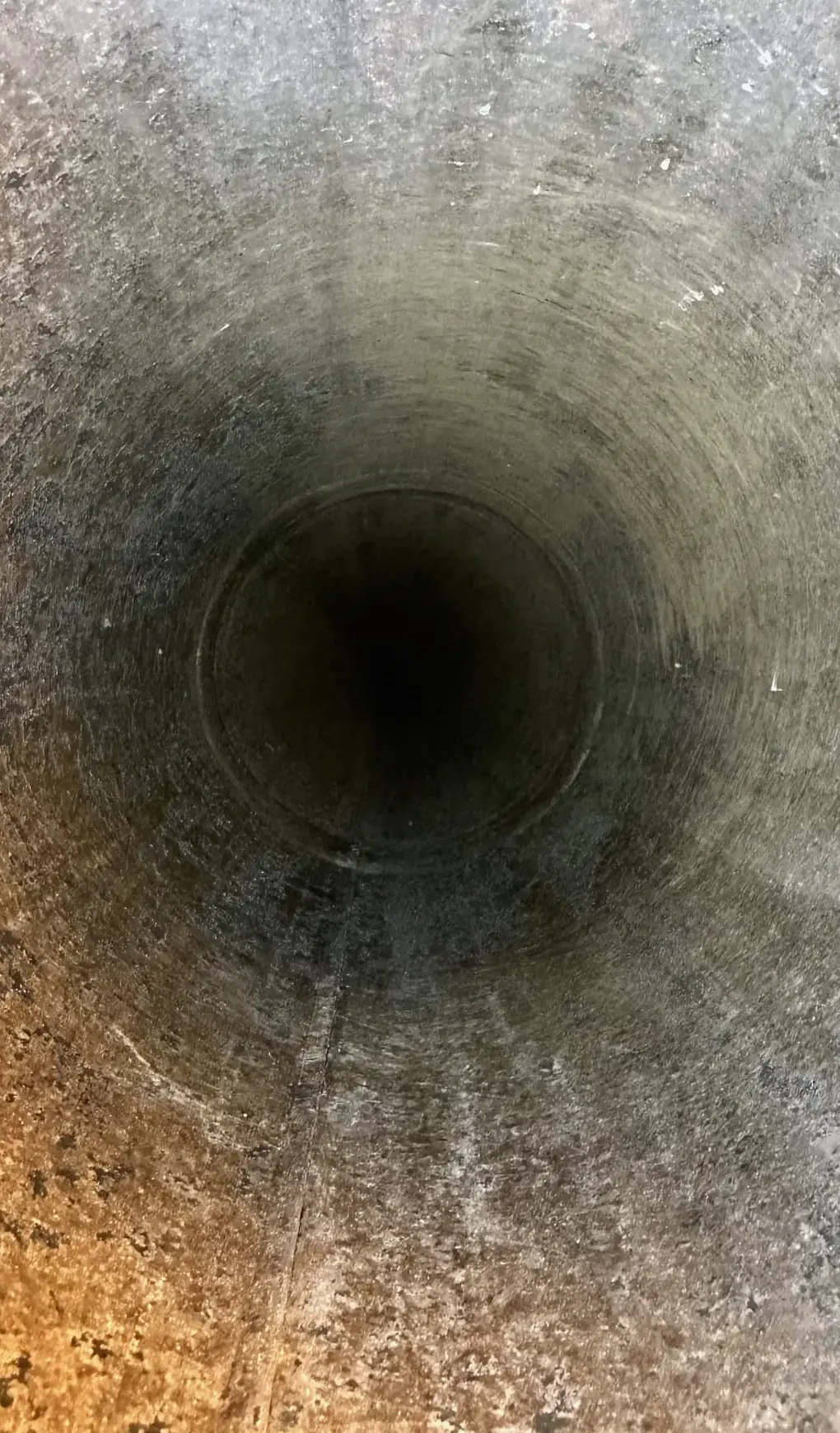
- Use a video scan when a Level 2 inspection calls for one — A video scan lets the inspector examine the inside of the flue. CSIA’s Level 2 procedure calls for this inspection level in certain situations, including an appliance change, relining, a fire, or a weather event.
- Review what needs attention before reuse — Ask which parts were checked and what condition was found. Follow the inspection findings about cleaning or repair before operating the appliance again.
When to Schedule a Chimney Inspection for Carbon Monoxide Concerns
After an alarm, symptoms, or smoke entering the room, deal with the immediate safety concern first. Once emergency responders clear the home, arrange an inspection before using the affected appliance again.
An inspection also makes sense after changing an appliance, relining a chimney, or following a fire or weather event. The [CSIA homeowner resources](https://www.csia.org/homeowner-resources) summarize the NFPA 211 guidance for annual chimney inspection, even when a system is not being used regularly.
If you are unsure which inspection applies, share the appliance type and what changed or happened. We offer chimney inspections, chimney video inspections, and chimney cleaning, so the service can match the condition found.
Need help now? (443) 596-9310
How to Book a Chimney Inspection After the Home Is Cleared
When emergency responders say the home is safe, call Maryland Chimney Pros at (443) 596-9310 or [contact us](/contact/). Tell us whether a carbon monoxide alarm sounded, which appliance was operating, and what responders or inspectors observed.
We provide same-day service and are open 24 hours a day, 7 days a week. Darren Whitaker, the owner, has 22 years of experience with chimneys and fireplaces; we serve homes across Maryland from our Annapolis base and speak Spanish.
Frequently asked questions
Can a chimney cause carbon monoxide to enter a house?
Yes. A blockage, damaged chimney, or venting problem can interfere with the route exhaust takes out of the home. A carbon monoxide alarm cannot identify the source, so leave the home and call 911 before arranging a chimney inspection.
Does carbon monoxide from a chimney have a smell?
No. Carbon monoxide has no color or smell, so smoke odor is not a dependable warning. Use a carbon monoxide alarm and treat an alarm or symptoms as an emergency.
Can I use my fireplace after a carbon monoxide alarm?
Do not use it until emergency responders clear the home and the suspected appliance and venting system have been checked. An inspection can identify whether the chimney needs cleaning, repair, or further evaluation.
Should I ask for a video chimney inspection after a fire or appliance change?
A Level 2 inspection, which includes a video scan, is recommended in circumstances such as an appliance change, relining, a fire, or a weather event under the CSIA procedure. Tell the chimney professional what changed or happened so the inspection scope fits the situation.
Have the chimney checked before using the fireplace again
After emergency responders clear the home, call Maryland Chimney Pros at (443) 596-9310 to arrange a chimney inspection.